BREAKING! Mobile Apps That Are Quietly Changing Your Life in 2026
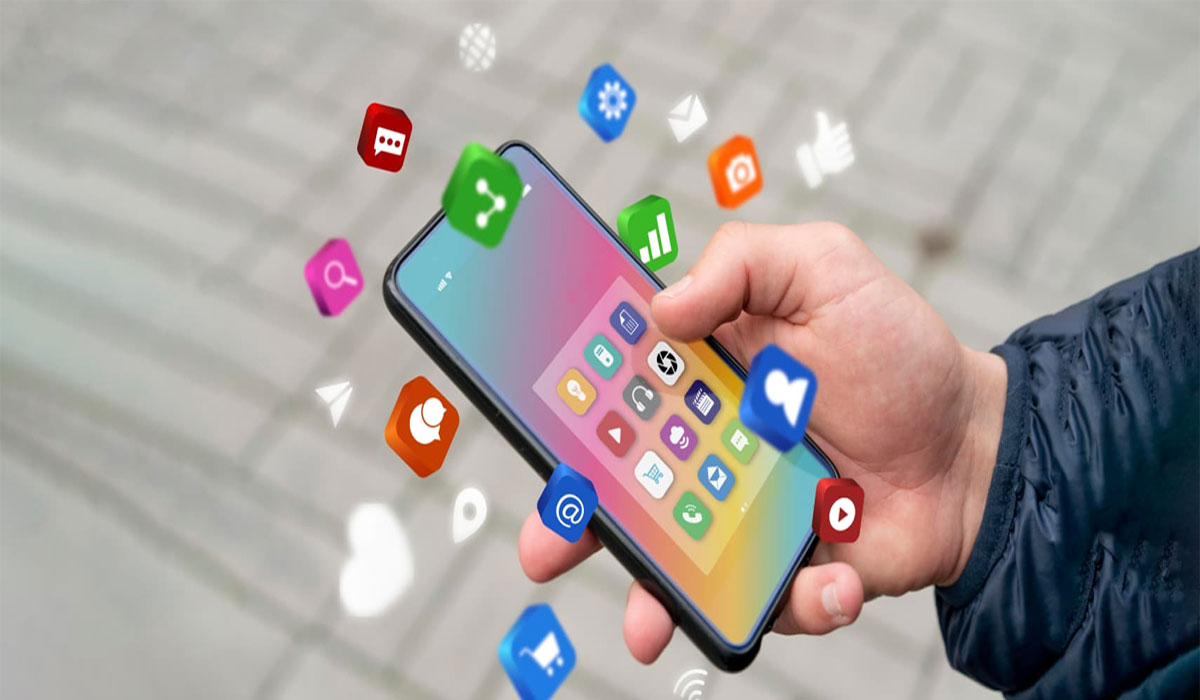
The way people use their phones in 2026 is shifting in ways most users do not even realize yet Mobile applications in 2026.
Are no longer just tools on a screen but active systems that shape how people think, communicate, learn, and live. From productivity platforms like Notion to communication hubs like WhatsApp and entertainment engines like TikTok the influence of these apps is becoming deeply embedded in everyday life.
As this evolution continues, the line between human choice and digital guidance will become increasingly subtle, making awareness of these systems more important than ever. See and follow the complete information only at Tech Buff.
The invisible apps shaping everyday habits
Modern smartphones are filled with applications that quietly influence daily routines without demanding attention. Many users think they are simply checking messages or scrolling feeds, but behind the scenes, intelligent systems are learning patterns, predicting behavior, and shaping what appears on the screen. This silent adaptation makes apps feel effortless while becoming deeply integrated into life.
One example of this influence can be seen in productivity tools that automatically organize schedules and reminders. These applications reduce mental load by anticipating what users need before they even ask. Over time, people begin to rely on them not just for organization but for decision support in everyday choices.
Even entertainment platforms have evolved into behavior shaping systems. Instead of users actively searching for content, recommendation engines guide them toward videos, music, and articles that match their habits. This creates a loop where preferences are continuously refined based on past interactions.
Communication apps redefining human connection
Digital communication has become faster and more layered than ever before. Messaging applications are no longer simple text tools but full ecosystems that include voice, video, payments, and collaborative features. This transformation has changed how people maintain relationships across distances.
One widely used example is WhatsApp which has evolved from a messaging app into a central hub for both personal and professional communication. Users now rely on it for group coordination, business interactions, and even customer service. Its simplicity hides a powerful network of real time connectivity.
At the same time, communication apps are increasingly shaping how people express emotion. Stickers, voice notes, and short video messages allow for richer expression than plain text. This shift is making digital conversations feel more human while also increasing the speed at which people expect responses.
Also Read: BREAKING! Technology Breakthroughs That Could Change the World Forever
Productivity apps transforming work and learning
The boundary between work tools and personal tools is becoming less defined as productivity applications grow more advanced. People are using the same apps to manage careers, study schedules, and personal goals. This convergence creates a unified digital workspace that travels with the user everywhere.
One standout example is Notion which combines notes, databases, and planning tools into a single flexible system. It allows users to design their own workflows instead of adapting to rigid software structures. This adaptability has made it popular among students, professionals, and creative workers alike.
Learning platforms have also integrated gamified systems that encourage consistent engagement. Instead of traditional study methods, users are guided through interactive lessons that adjust to their pace. This personalized approach makes learning more efficient and more engaging than older methods.
Lifestyle apps quietly influencing decisions
Beyond communication and productivity, lifestyle applications are shaping decisions in subtle but powerful ways. From fitness tracking to shopping recommendations, these tools gather data and turn it into personalized suggestions. Over time, users begin to trust these recommendations as part of their daily decision making process.
Entertainment and short form content platforms also play a major role in shaping lifestyle patterns. One of the most influential is TikTok which uses highly refined recommendation systems to deliver endless streams of tailored content. This has changed how people discover trends, music, and even news.
Health and wellness apps are also becoming more integrated into daily routines. They track sleep, movement, and nutrition while offering feedback that encourages healthier habits. Many users now rely on these insights to guide lifestyle adjustments without consulting traditional sources.
Conclusion
Mobile applications in 2026 are no longer just tools on a screen but active systems that shape how people think, communicate, learn, and live. From productivity platforms like Notion to communication hubs like WhatsApp and entertainment engines like TikTok the influence of these apps is becoming deeply embedded in everyday life. As this evolution continues, the line between human choice and digital guidance will become increasingly subtle, making awareness of these systems more important than ever.
Image Source:
- First Image from indochem.co.id
- Second Image from halodoc.com