Electric Cars and Battery Technology The Future of Transportation
The future of transportation lies in the hands of high-efficiency, zero-emission electric cars powered by state-of-the-art batteries.
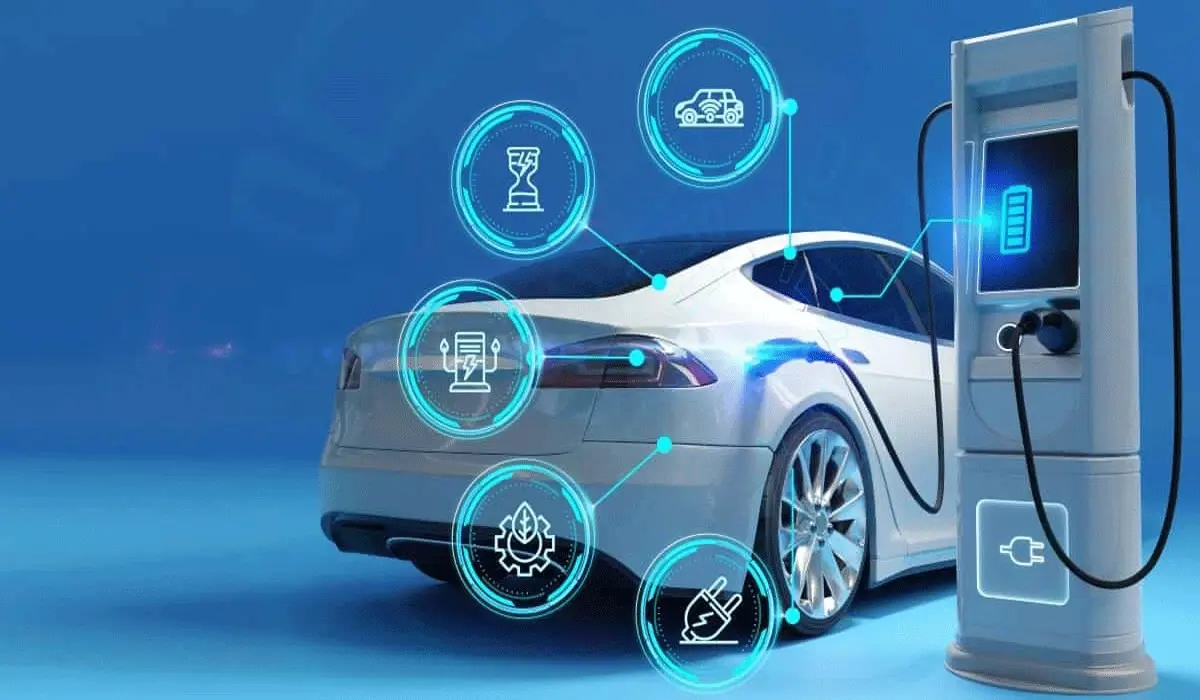
Electric cars are no longer just a futuristic concept; they have become a real part of modern life. With increasing awareness of climate change, air pollution, and the need for clean energy, electric cars offer a practical and innovative solution for future transportation. Check out the complete facts about Improving the Future of Transportation in Tech Buff.
The Evolution of Electric Cars: From Concept to Reality
Electric cars are not new. The concept of electric-powered vehicles has been around since the late 19th century, but limitations in battery technology and infrastructure have made them less popular than fossil-fueled cars. Only in the last two decades has increased battery capacity, decreased production costs, and environmental awareness fueled a surge in interest in electric cars.
Major automotive companies like Tesla, Nissan, and BMW are leading the way in electric car innovation with models capable of traveling more than 500 km on a single charge. In addition, manufacturers are also starting to introduce futuristic designs, autopilot systems, and integration with smart city ecosystems.
In addition to car manufacturers, governments in various countries are also encouraging the adoption of electric cars through tax incentives, the construction of public charging stations, and restrictions on fossil-fuel vehicles. This support accelerates the transition to cleaner and more sustainable transportation.
Battery Technology The Heart of Electric Cars
Batteries are the most important component in electric cars, determining the vehicle’s range, charging speed, and lifespan. Currently, lithium-ion batteries are the industry standard due to their high energy density and relative light weight. Innovation continues to increase capacity, speed charging, and reduce battery degradation.
Beyond lithium-ion, solid-state battery technology is starting to promise major breakthroughs. These batteries use solid electrolytes, which are safer, have higher energy density, and a longer lifespan than conventional batteries. Some manufacturers predict that solid-state batteries will be ready for mass production in the next five to ten years.
Battery technology is also driving the integration of advanced energy management systems, which allow electric cars to monitor power usage, temperature, and battery condition in real time. This not only improves efficiency but also improves user safety.
Also Read: Digital Marketing Secrets, Boosting Sales and Brand Visibility in 2026
Charging Infrastructure and Challenges
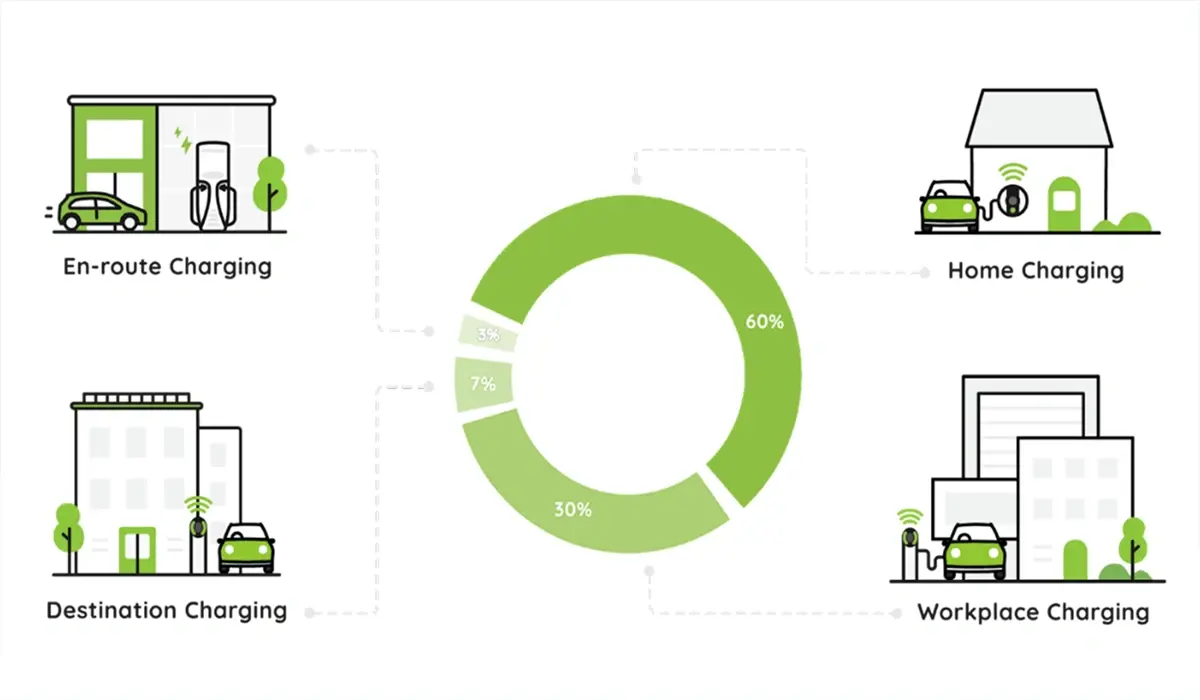
One of the main barriers to electric car adoption is the availability of charging infrastructure. Although fast charging stations have increased in major cities, remote areas, and on toll roads, access to charging stations remains limited. This raises concerns about “range anxiety” among potential users.
Furthermore, battery charging takes longer than conventional fueling, although fast charging technology can reduce the time to 20–30 minutes for 80% capacity. Research is also developing wireless charging, where cars can be charged simply by parking in designated areas without cables.
Governments and private companies are now collaborating to build a broader and more efficient charging network. The integration of renewable energy, such as solar panels and smart energy storage, is also a focus to ensure electric cars are truly environmentally friendly.
Environmental and Economic Impacts
Electric cars have a significant positive impact on the environment because they produce no greenhouse gas emissions during use. This is especially important for large cities experiencing high air pollution. Furthermore, reducing reliance on fossil fuels helps mitigate the impact of geopolitical issues and fluctuations in global energy prices.
Economically, the electric car industry creates new jobs, from battery research and vehicle production to charging station development. However, there are challenges related to recycling lithium-ion batteries, which require environmentally friendly technologies to prevent battery waste from becoming a serious problem in the future.
The Future of Efficient Electric Cars
Electric cars are now an efficient and environmentally friendly modern transportation solution. With zero emissions during use, these vehicles help reduce air pollution in large cities and reduce dependence on fossil fuels. This is not only good for the environment but also supports global energy stability. Thank you for taking the time to explore this interesting information about the Future of Electric Cars: Efficiency in Tech Buff, we will provide much more information soon.
Image Information Source:
First Image from: mynewsmag.co.uk
Second Image from: innovationnewsnetwork.com