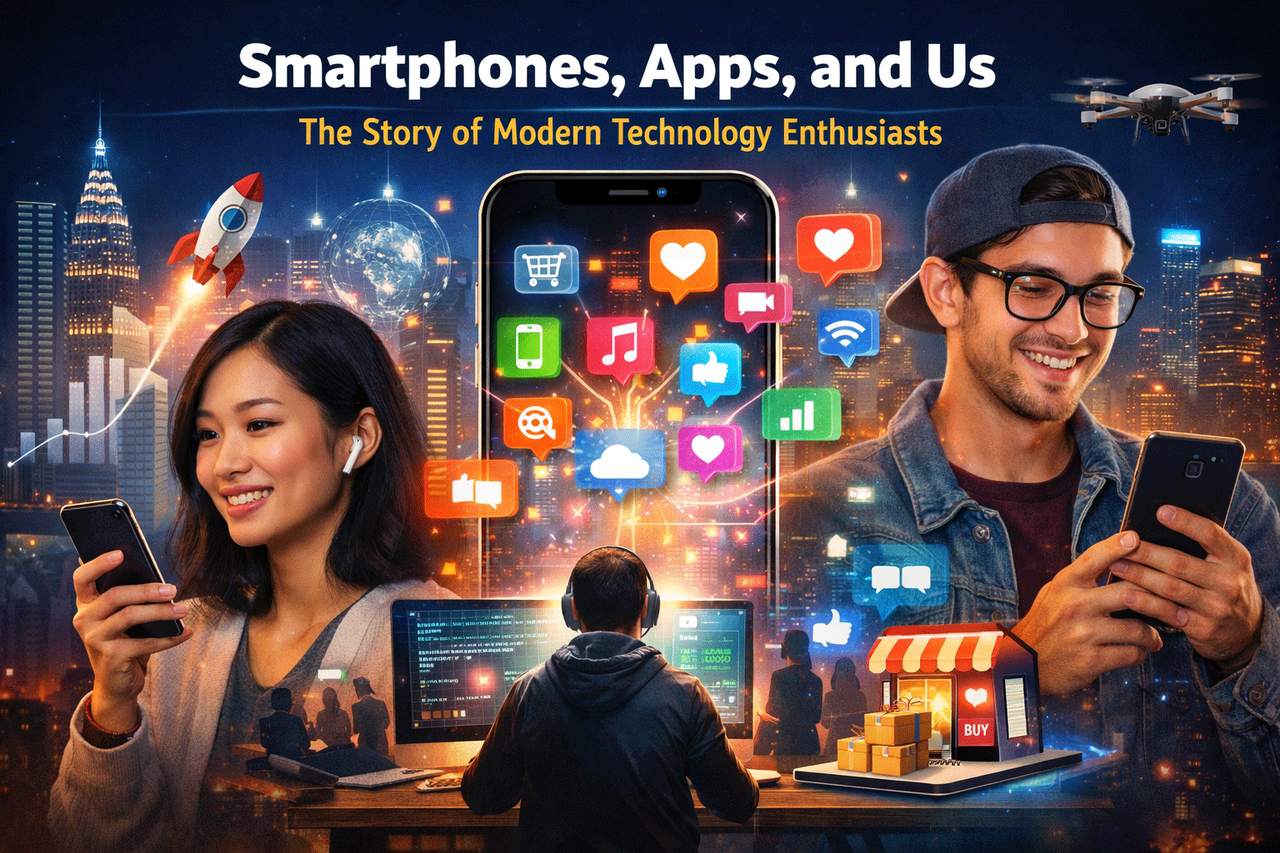
Digital Marketing Secrets That Will Skyrocket Your Business
Learn how digital marketing drives business growth through SEO, social media, content strategy, and data analytics in today’s competitive.
Digital marketing has become a cornerstone of modern business strategy. Companies of all sizes rely on online platforms to reach audiences, build brand awareness, and drive sales. As internet usage continues to grow, businesses must adapt to changing consumer behavior and leverage digital tools effectively.
Watch and keep following the latest and most viral information only on Tech Buff.
Understanding Digital Marketing
Digital marketing refers to the promotion of products or services through online channels. These channels include websites, search engines, social media platforms, and email. Businesses use these tools to communicate with their target audience and influence purchasing decisions.
The digital landscape offers greater flexibility compared to traditional marketing. Companies can adjust campaigns in real time based on performance data. This ability allows marketers to optimize strategies and improve results continuously.
Another advantage of digital marketing lies in its accessibility. Even small businesses can compete with larger companies by using cost-effective strategies. With the right approach, organizations can reach global audiences without requiring massive budgets.
The Role of Content Marketing
Content marketing plays a vital role in attracting and engaging audiences. Businesses create valuable and relevant content to address customer needs and interests. This content can take many forms, including blog posts, videos, infographics, and podcasts.
High-quality content builds trust and credibility. When audiences find useful information, they are more likely to engage with the brand and consider its products or services. Consistency also strengthens brand identity and keeps audiences interested over time.
Effective content marketing requires a clear strategy. Marketers must understand their target audience and create content that aligns with their preferences. By delivering value consistently, businesses can establish long-term relationships with customers.
Also Read: How Digital Marketing Can Transform Your Business in 30 Days
Social Media and Audience Engagement
Social media platforms serve as powerful tools for connecting with audiences. Businesses use these platforms to share content, interact with followers, and promote products. Popular platforms offer various features that support marketing efforts.
Engagement plays a key role in social media success. Responding to comments, messages, and feedback helps build strong relationships with customers. This interaction creates a sense of community and encourages brand loyalty.
Social media also provides valuable insights into audience behavior. Marketers can analyze data such as likes, shares, and comments to understand what content resonates most. These insights guide future strategies and improve overall performance.
Search Engine Optimization (SEO)
Search engine optimization helps websites rank higher in search results. Businesses use SEO techniques to increase visibility and attract organic traffic. This process involves optimizing website content, structure, and keywords.
Effective SEO requires ongoing effort and analysis. Search engine algorithms change frequently, which means strategies must adapt accordingly. Marketers need to stay updated with the latest trends and best practices.
A well-optimized website improves user experience and credibility. Faster loading times, mobile responsiveness, and relevant content contribute to higher rankings. As a result, businesses can reach more potential customers through search engines.
Data Analytics and Future Trends
Data analytics plays a crucial role in digital marketing success. Businesses collect and analyze data to measure campaign performance and identify opportunities for improvement. Metrics such as conversion rates, traffic, and engagement provide valuable insights.
Marketers use data to make informed decisions and refine strategies. This approach reduces guesswork and increases efficiency. By understanding customer behavior, businesses can deliver more personalized experiences.
Future trends in digital marketing include artificial intelligence, automation, and personalization. These technologies enable marketers to create more targeted campaigns and improve customer experiences. As digital marketing evolves, businesses must stay adaptable to remain competitive.
Image Information Source:
- Main Image from WebonicHub
- Second Image from Linkedln